Types of aliens
From the UAP Encyclopedia, the open encyclopedia of UFO and UAP history · 🧭 Topic overview
Contents 7

| Type | Topic overview |
|---|---|
| Also known as | Alien types, kinds of aliens |
| Most reported | Greys |
| Other common types | Nordics, reptilians, "little men", insect-like beings |
| Evidence | Witness accounts only |
UFO reports and folklore describe several recurring types of aliens. The best known are the small, big-eyed greys, the tall, human-looking Nordics and the reptilians. These descriptions come from witness accounts, abduction stories and contactee claims. No physical remains or other verified evidence of any of them exist, and researchers note how closely the descriptions track science fiction and popular culture of their time.[1][2]
Greys
Greys are described as about a metre tall, with grey skin, large hairless heads, and large black almond-shaped eyes. The image took shape with the 1961 Betty and Barney Hill abduction case and became iconic through the 1987 cover of Whitley Strieber's book Communion. They dominate modern abduction accounts.[1]
Nordics
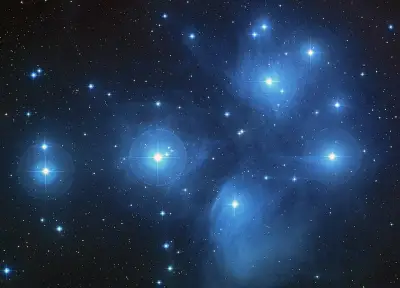
Nordics are tall, fair-haired and human-looking, often said to come from the Pleiades. They were the "space brothers" of the 1950s contactees such as George Adamski, who described a Venusian named Orthon.[2]
Reptilians
Reptilians are scaly, human-sized beings. Belief that shape-shifting reptilians secretly control world governments spread from the 1990s through conspiracy books, and is widely regarded as baseless and sometimes antisemitic in its sources.[3]
"Little men" and monsters
Earlier reports described small, goblin-like figures, as in the 1955 Kelly–Hopkinsville encounter, or tall monsters such as the 1952 Flatwoods monster. "Little green men" became a newspaper catchphrase in the 1950s.[4][5]
Other descriptions
Abduction literature also mentions tall "insect-like" or mantis-like beings, and "tall whites", described by Charles Hall, a former Air Force weather observer who said he met them near Nellis Air Force Base in the 1960s. These appear in a small number of individual accounts.[1]
Where the descriptions come from
Folklorists and psychologists point out that alien types change with the times: human-like visitors warning about nuclear war in the 1950s, greys after science-fiction films and television of the 1960s–70s, and reptilian conspiracies in the internet age. Some people involved in abduction research see the consistency of the descriptions as significant; sceptics see cultural influence and the effects of hypnosis.[1][4]
References
- Grey alien — Wikipedia · en.wikipedia.org
- Nordic aliens — Wikipedia · en.wikipedia.org
- Reptilian conspiracy theory — Wikipedia · en.wikipedia.org
- Little green men — Wikipedia · en.wikipedia.org
- Kelly–Hopkinsville encounter — Wikipedia · en.wikipedia.org
Facts in this article are drawn in part from the Wikipedia articles “Grey alien”, “Nordic aliens”, “Reptilian conspiracy theory”, “Little green men”, “Kelly–Hopkinsville encounter”, available under the CC BY-SA 4.0 licence.
This page was last edited on 14 November 2026. Articles are written in our own words from the sources listed under References; disputed claims are attributed to the people who made them.


No discussion yet.